01
Vision
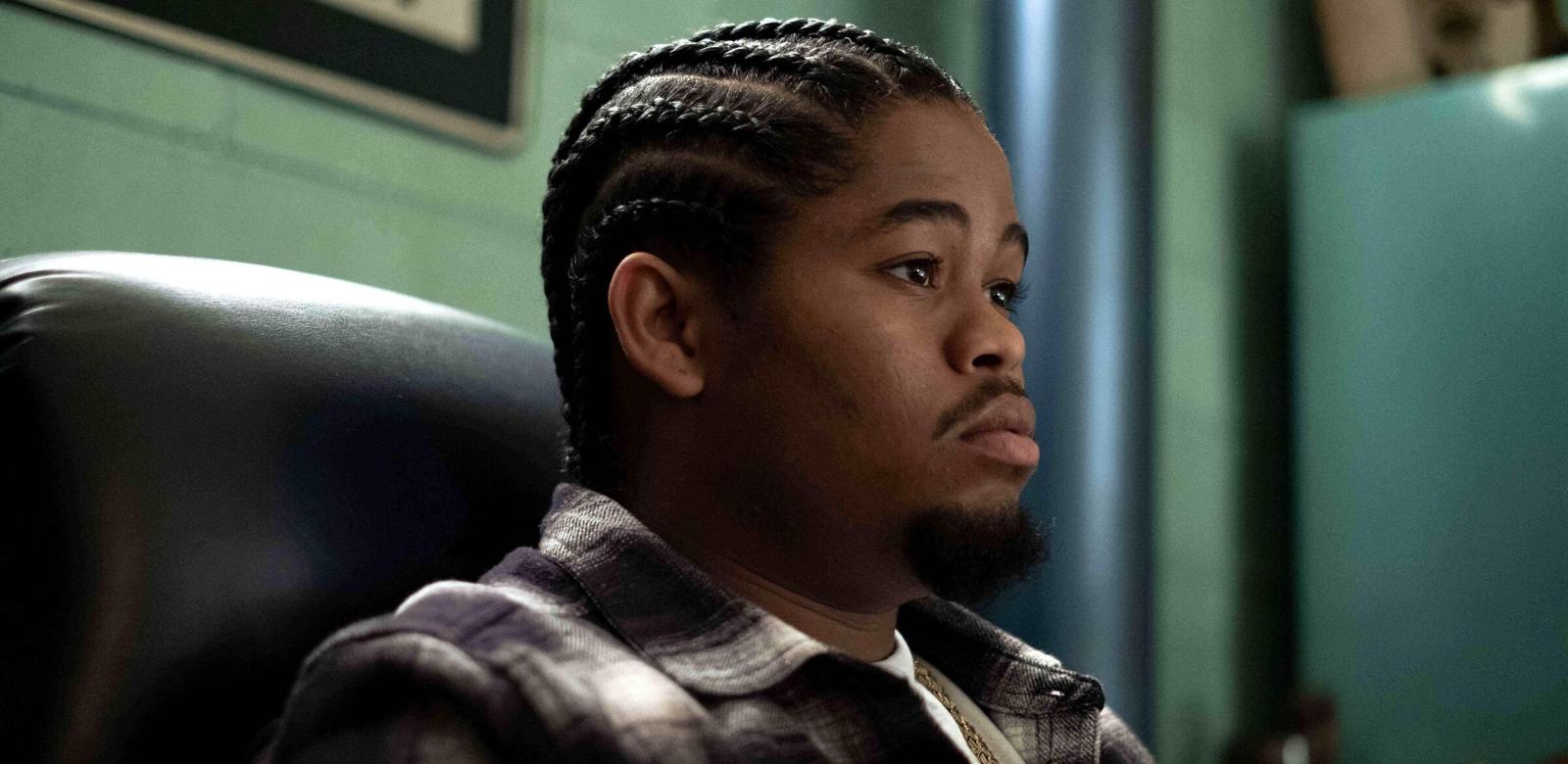
Franklin saw what the organization could become while everyone else focused on surviving today. Most people solve today’s problem. Vision asks what today’s decision builds toward five years from now.
Extraction · No. 001
Prologue

The coast · San Diego
I grew up where the country runs out.
Southern California is the last eighty miles before the map ends. You learn early that everything here arrived from somewhere else, and decided to stay.

Palms · Los Angeles
Wide streets. Low buildings. Nothing between you and the sky.
The light is the first thing outsiders notice and the last thing they can describe. It is not golden so much as forgiving — it makes ordinary blocks look like somewhere worth filming.

The Ground
Because before this is a story about three characters, it’s a story about a place — and the place is doing more work than most people give it credit for.
I’m from San Diego. Two hours south of the neighborhoods Snowfall is set in, close enough that the show never felt like reporting from a foreign country. Southern California is not one city. It’s a hundred miles of them running together — the coast, the valleys, the freeway system that stitches them into something you can only really understand by driving it.
People outside the region tend to hold one image of it. Palm trees. Beaches. An industry that makes things up for a living. All of that is here. But it sits directly on top of neighborhoods with their own history, their own economies, and their own long memory — and the distance between those two Californias is about fifteen minutes on the 110.
That proximity is the whole texture of the place. Wealth and struggle don’t occupy separate maps here; they share exits. You can watch a sunset that belongs on a postcard from a block that the postcard would never show. Growing up in it, you develop a kind of double vision — you learn to see both at once, and to distrust anyone who only sees one.
Southern California taught me that context is not decoration. It’s the argument.
Which brings me to John Singleton. He grew up in South Central, went to USC, and at twenty-four became the youngest person ever nominated for a Best Director Oscar — and the first Black director nominated at all — for Boyz n the Hood. He did that by refusing to explain his neighborhood to anyone. He shot it the way it actually looked, at the temperature it actually was, and let the audience catch up.
That’s the tradition Snowfall comes out of. Singleton co-created it and directed its pilot, and he died in 2019 while the series was still running — which means the show is, among other things, the last long-form argument he got to make. It is set in Los Angeles in the early 1980s, and it takes the same position his films always took: these streets are not a backdrop for a lesson. They are a functioning world with its own logic, and if you watch closely enough, the logic will teach you something.
He didn’t translate the place for outsiders.
He trusted you to pay attention.
That’s why these stories land differently for me than a well-reviewed drama set somewhere I’ve never been. It isn’t that I lived what the characters lived — I didn’t. It’s that I recognize the room. The cadence of the conversations. The way respect gets negotiated before anyone says anything direct. The specific silence that means someone has made a decision and hasn’t announced it yet.
When a story gets the texture right, you stop watching the plot and start watching the people. And once you’re watching the people, you’re one step away from extraction.



The neighborhood
Most of it is just people’s houses.
Every story set here is set on a street where somebody is making dinner. That’s the part the genre keeps forgetting, and the part Singleton never did.

The 101 · The 110
Everything here is somewhere you’re driving toward.
Two numbers on a green sign, and a whole regional identity underneath them. This is where the prologue ends and the story starts.
The Series
Everyone watches. Everyone experiences. Everyone learns. But not everyone extracts.
When I use the word extraction, I’m not talking about simply taking something out of a story or an experience. I’m talking about intentionally pulling value from people, conversations, books, mentors, successes, failures — even television — and turning those observations into something useful.
Extraction is the discipline of identifying principles that can be applied somewhere else. It’s recognizing a pattern in one place and using it to navigate another. It’s studying someone else’s decisions so you don’t have to learn every lesson the hard way.
Experience will always be one of life’s greatest teachers. But experience isn’t limited to what happens to us personally. If we’re paying attention, we can learn from the experiences of those around us, from history, from mentors, from customers, and sometimes even from a fictional story.
Everyone watches.
Few people extract.
The Case
We don’t control the circumstances we’re born into. The hand we’re dealt. The environment we start in. The opportunities that appear — or don’t.
But we all have access to information. Now more than ever.
The barrier to learning has collapsed. Books. Podcasts. Documentaries. Case studies. Historical accounts. Mentors. Artificial intelligence. Information has never been more accessible.
And information is no longer the competitive advantage. Interpretation is.
Those who excel will be the ones who can find meaning beyond the surface. The ones who can pull lessons from sources that appear unrelated to their own lives and apply them somewhere entirely different.
That’s what separates accumulation from growth.
Consider this: I can extract from Landman just as well as I can from Snowfall. My experiences run much closer to the world of Snowfall, but the ability to extract allows me to pull value from Landman too — a story about oil, negotiation and corporate survival. An environment I’ve never experienced firsthand.
That’s the skill.
History repeats itself — not because it’s destined to, but because people fail to extract from it. They experience things. They survive them. And then they move on without carrying forward anything of lasting value.
We have a choice. That choice begins with learning from lessons that have already been written before we become part of a story we could have avoided.
Extraction is the ability to learn from someone else’s experience so you don’t have to live through it yourself.
Whether you’re leading a project, building a business, carrying a sales quota, or simply trying to become a better husband, father, friend or leader, your ability to extract lessons from the world around you compounds over time.
The best learners don’t simply accumulate experiences. They convert experiences into frameworks. They turn what they’ve observed into something portable — a principle, a question, or a mental model that can travel with them into completely different situations.
That habit has shaped my approach to enterprise sales, project management, entrepreneurship and relationships. It’s how I’ve grown. It’s how I continue to grow.
This is the first entry in the Extraction series. And it begins with a television show.
The Source
Everyone has stories that feel familiar.
Stories that, for one reason or another, feel like they understand something about where you come from. They aren’t necessarily your exact story, but they share a language, a perspective, or a cultural rhythm that feels like home.
For me, many of those stories were created by John Singleton. As an African American man who grew up in Southern California — San Diego, to be exact — movies like Boyz n the Hood and Menace II Society weren’t just well-made films. They were cultural touchstones. They captured neighborhoods, conversations, humor, tension, ambition and relationships in ways that felt familiar. Not because I lived every experience they portrayed, but because I recognized pieces of the world they came from.
The accents. The music. The conversations. The environments. The way people carried themselves. There was a familiarity that made those stories feel less like entertainment and more like visiting a place you already understood.
That’s what initially drew me to Snowfall.
Truthfully, I don’t watch a lot of television. Between work, family and everything else life demands, I usually spend my downtime watching live sports. When I do commit to a series, I tend to watch one new show and maybe revisit one or two older ones throughout the year. Erica and I have very different viewing habits — she enjoys reality television, documentaries and historical series, while I’m fairly selective outside of sports and movies.
We’d already worked our way through Breaking Bad, and Snowfall was next on my list. The first time I watched it, I experienced it like most people do. I wanted to know what happened next.
The second time was completely different. Once you already know the outcome, your attention shifts. You’re no longer consumed by the plot. You begin paying attention to the decisions. The conversations. The relationships. The small moments that seemed insignificant the first time but suddenly explain everything.
The second watch wasn’t about suspense.
It was about extraction.
That’s when I realized Snowfall would become the first entry in this series. Not simply because it’s an excellent show, but because every major character became a case study. There were moments I admired them. Moments I questioned them. Moments I agreed with their decisions. Moments I completely disagreed. There were characters I rooted for before eventually rooting against them. Others I misunderstood until much later in the story.
None of them fit neatly into categories of hero or antagonist.
They felt human.
That’s what great storytelling does. It gives us people — not perfection. Life works the same way. The more I watched, the more I realized something: good and bad are rarely the point. There are simply decisions. Lessons. Who we are at our core. The ripple effects of our choices. And what we decide at the fork in the road.
That’s the lens this series is built on.
There’s another layer of irony I haven’t been able to ignore. The word extraction often carries a different meaning when conversations turn to culture. Throughout history, elements of Black culture — music, fashion, language, creativity, innovation — have been extracted, adopted and reshaped in ways that became disconnected from the communities that created them. To be direct: stolen.
This series isn’t about that. It’s a 180. But I do find it meaningful that the first Extraction comes from a story that feels culturally familiar. Rather than taking from the culture, I want to offer the extracted wisdom from it. To study it. To appreciate it. To learn from it.
I believe some of the most valuable lessons in leadership, entrepreneurship, loyalty, relationships and decision-making can come from stories that many people see as foreign, not aligned, or simply as entertainment.
Snowfall is one of those stories. And for me, it felt like the right place to begin.
The Spark
None of this started as a writing project. It started on a couch.
My partner Erica and I don’t naturally watch the same things. She gravitates toward reality television, documentaries and historical series. Left alone, I’ll put on a game. The overlap is narrow, which means anything we actually finish together had to earn it — we’d already done that with Breaking Bad, and Snowfall was the next one that held us both.
Here’s the part I didn’t expect. Watching a show with someone who watches differently than you do is its own form of extraction.
I was tracking the business. The moves, the leverage, the structure underneath the story — who had it, who was building it, who was about to lose it. Erica was tracking the people. She would say something offhand about a character halfway through an episode, and I’d realize she had clocked something two or three scenes before I did, from a look rather than a decision.
I was watching the system.
She was watching the cost.
Both readings were right. Neither was complete. And the conversations in between — the pauses, the arguments about whether a character had a point, the rewinds to settle something — turned out to be where the actual thinking happened. I wasn’t taking notes. I was talking to my partner about people who don’t exist, and finding out what I believed.
By the time we finished, I had a running list I hadn’t meant to start. Not plot points. Principles. Things I recognized from rooms I’ve actually been in — deals, teams, partnerships, promotions that changed someone.
That list is what you’re about to read. It exists because somebody sat next to me and noticed a different half of the same show.

Southbound · Downtown
Then the light goes, and the study begins.
Three people. Three ways of seeing. Vision, perspective, stewardship — and what each one costs the person carrying it.

Extraction One
Vision
A systems thinker disguised as a drug dealer. Everyone else was protecting blocks.
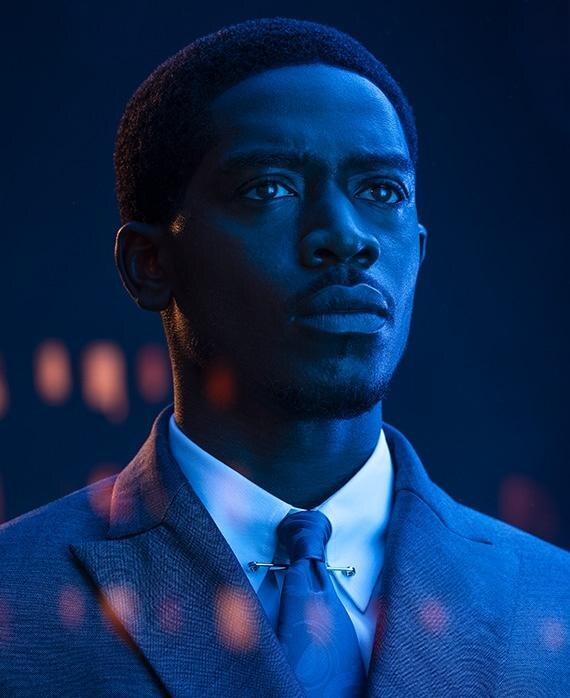
Ask ten people to describe Franklin Saint, and you’ll probably hear the same answers. Ambitious. Intelligent. A drug kingpin. A businessman. A leader.
None of those descriptions are wrong. But I don’t think any of them explain why Franklin became one of the most compelling characters in Snowfall.
When I watched the series a second time, I found myself paying less attention to what Franklin built and much more attention to how he built it. The word that kept coming back wasn’t power. It wasn’t money. It wasn’t even leadership.
It was vision.
Franklin is a systems thinker disguised as a drug dealer. He didn’t just sell crack cocaine. He built infrastructure. He understood that no business — legitimate or illegitimate — scales without control over supply, distribution, capital and people. While everyone around him was focused on moving product, Franklin was focused on designing an ecosystem.
Everyone else was protecting blocks.Franklin was building a system.
That’s what separated him.
He wasn’t simply reacting to circumstances. He was constantly asking bigger questions.
Those aren’t the questions of someone trying to make money. They’re the questions of someone trying to build something that lasts.
Whether you’re building a software company, managing enterprise accounts, leading projects, or opening a neighborhood business, those questions never stop being relevant.
Large-scale vision always demands systems. Without systems, vision remains an idea. With systems, vision becomes something that can be built.
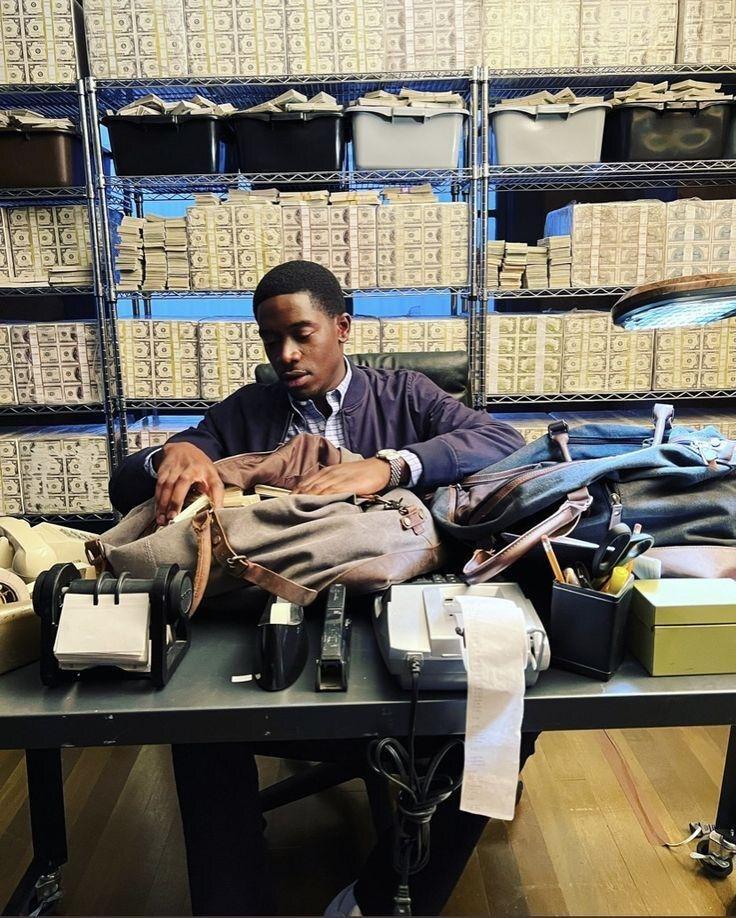
The room everyone remembers is the money room. What’s actually in the frame is a back office: ledgers, counting machines, a filing system, a process. The product is almost incidental.
Franklin’s advantage was never the corner. It was the architecture behind it — the part that keeps running on the days the founder doesn’t show up.
Franklin saw what the organization could become while everyone else focused on surviving today. Most people solve today’s problem. Vision asks what today’s decision builds toward five years from now.
Franklin didn’t just move product. He designed infrastructure — supply, distribution, capital, relationships, processes. You don’t scale effort. You scale systems.
One of the clearest examples comes during Franklin’s “brick by brick” conversation with Leon. I won’t summarize the scene, because that’s not the point. The lesson is.
Most viewers see Franklin defending a relationship. I don’t. I think Franklin is defending the strategy — the structure he’s spent years building. The consistency. The predictability. The thing that allows the entire operation to function.
Leon reacts to what just happened. Franklin protects what happens next. That’s the difference between emotional leadership and strategic leadership. Every builder understands that one emotional decision can undo months — or years — of disciplined construction.
This is where Franklin’s greatest strength quietly becomes his greatest weakness. His vision gave him direction. His systems gave him leverage. His discipline gave him momentum.
But somewhere along the way, ambition stopped being a tool and became his identity. Every success demanded another. Every milestone created a bigger target. The mission slowly transformed into an obsession.
Franklin’s downfall wasn’t a lack of intelligence, discipline or vision. It was the inability to recognize when he stopped using ambition — and ambition started using him.
That’s a lesson much bigger than Snowfall. The qualities that help us build extraordinary things can also become the very things that consume us if we never stop to ask why we’re building in the first place.
Extraction Two
Perspective
He doesn’t win because he has more resources. He wins because he sees the board differently.
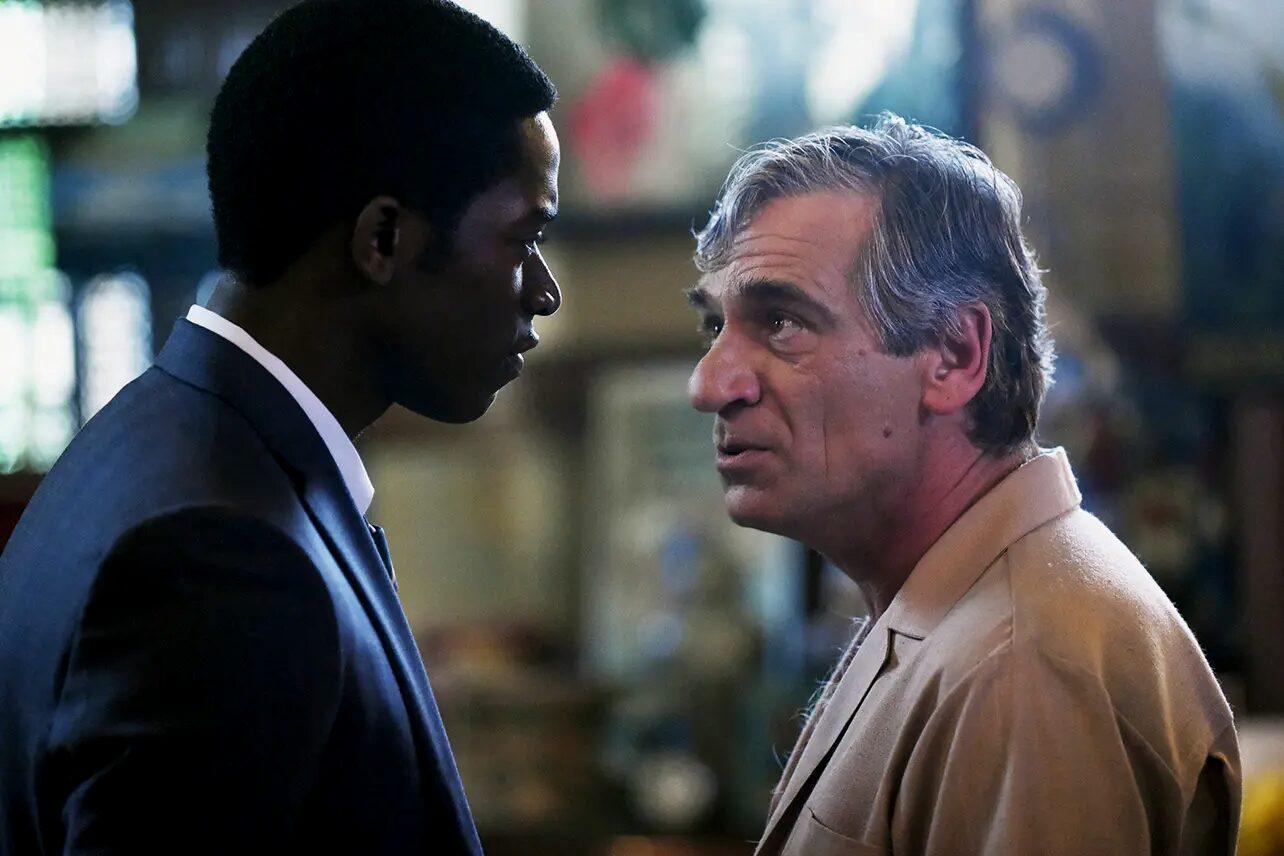
Ask most viewers to describe Avi Drexler, and you’ll probably hear the same words. Eccentric. Arms dealer. Manipulative. Connected. Dangerous.
All accurate. But none of them explain why Avi is one of the most fascinating characters in the series.
The first time I watched, Avi felt like controlled chaos — entertaining, unpredictable, and somehow always in the middle of everyone else’s problems. The second time, I noticed something completely different.
Avi rarely succeeds because he has more resources. He succeeds because he sees the board differently than everyone else.
That’s perspective.
Or perhaps more accurately — that’s discernment.
Perspective is seeing the world. Discernment is correctly assigning meaning to what you’re seeing. Avi possesses both.
Avi is an observer. A qualifier. A strategist who understands leverage better than almost anyone in the series — Franklin included.
What makes Avi fascinating isn’t his ruthlessness. It’s his patience. He watches. He waits. He calculates. Then he moves with precision.
He’s also a teacher, whether he intends to be or not. And someone who understands that every decision should be informed by a broader perspective than the moment immediately in front of you.
Experience doesn’t automatically create wisdom.Reflection does.
One of the earliest interactions between Avi and Franklin reveals almost everything about how Avi evaluates people. Franklin wants something from Avi. Access. Trust. Product on consignment.
Most people would have simply said yes or no. Avi does something different. He creates a situation designed to reveal character.
The now-famous bulletproof vest scene isn’t really about the vest. It’s about observation — a controlled environment that allows Avi to answer a far more important question: who is this person when something meaningful is at stake?
Words are easy. Commitment is expensive. Anyone can promise loyalty. Character reveals itself through behavior — especially behavior that carries personal risk.
Most people think Avi took a gamble on Franklin. I don’t. I think he qualified him.
Great account executives do exactly the same thing. Discovery isn’t simply asking questions. It’s creating conversations and situations where customers naturally reveal priorities, urgency, alignment and commitment. The strongest buying signals are rarely verbal — they’re behavioral.
Most people think Avi took a gamble. He was running discovery.
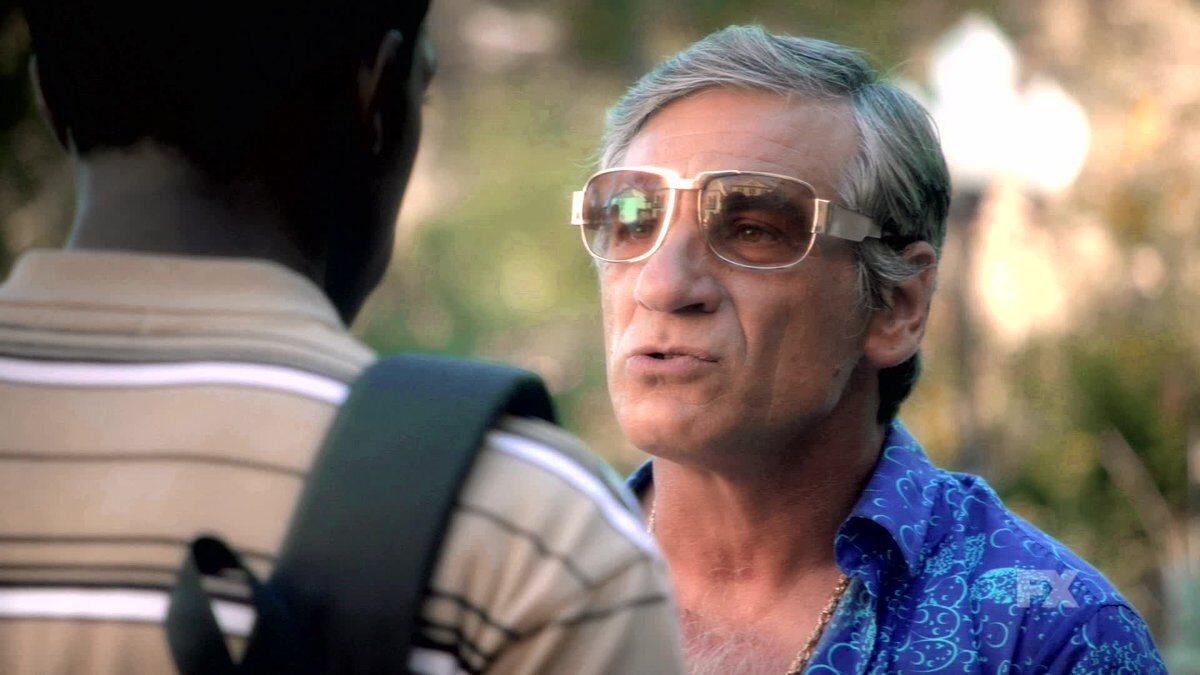
The Panama banking storyline is one of the richest examples of perspective in the entire series. Most viewers see Avi manipulating Franklin. I saw something else: someone desperately trying to create time.
Avi understands something Franklin doesn’t yet appreciate: pressure narrows perspective. When people panic, they become transactional. Avi slows everything down. He delays. He redirects. He creates space. Not because he enjoys wasting time. Because time changes perspective.
Eventually the truth comes out. Avi isn’t delaying the bank because he’s careless — he’s being blackmailed. He’s trying to solve multiple problems simultaneously.
Then something remarkable happens. Franklin discovers the truth. He has every reason to walk away. Instead, he creates a deal — one that protects himself while simultaneously saving Avi’s life.
The irony is fascinating. Avi — the master of perspective — develops a blind spot of his own. He underestimated Franklin. He assumed Franklin was another ambitious hustler chasing money. He failed to recognize that Franklin had evolved into someone capable of balancing business with humanity.
Even the most discerning people have blind spots. Perspective isn’t perfection — it’s a discipline that still requires humility.
There’s a moment later in the series when Avi asks Franklin a deceptively simple question.
“What are you going to do
when this is all over?”
Franklin doesn’t have an answer. He’s consumed by today’s problems, opportunities and threats. He’s building something enormous without fully understanding what it ultimately exists to serve.
Avi notices. He doesn’t lecture. He doesn’t correct. He simply files the observation away.
That moment has stayed with me because great mentors often ask questions instead of giving answers. Perspective isn’t just seeing what’s happening today — it’s thinking in horizons.
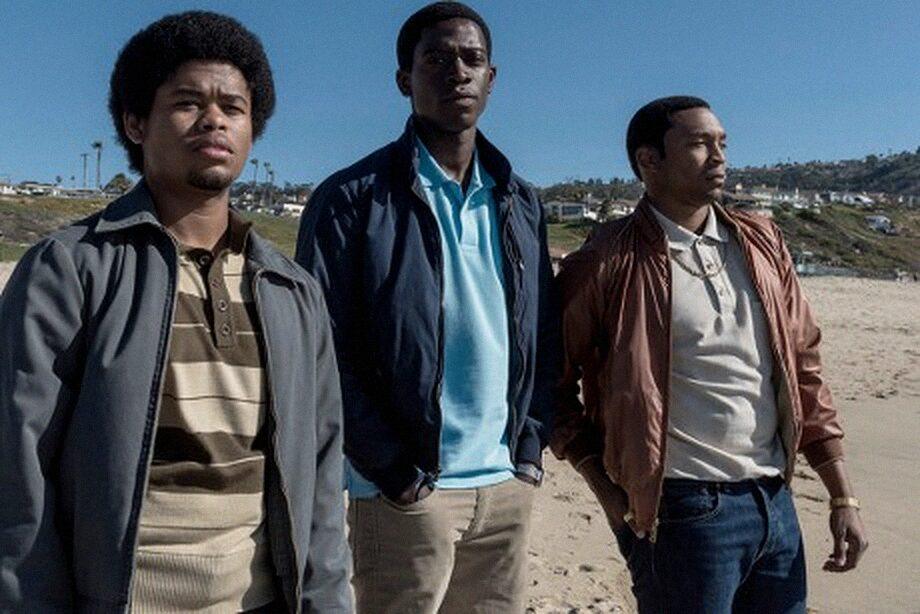
Extraction Three
Stewardship
Loyalty, refined into something larger than loyalty. Franklin leads. Leon holds.
At first glance, Leon Simmons seems easy to understand. He’s the muscle. The enforcer. The fighter. The one everyone expects to handle conflict. Fearless. Quick to defend the people he loves.
Most viewers see Leon as Franklin’s right hand — the protector standing beside the visionary. And to be fair, that’s exactly who he is when the story begins.
But that’s not why Leon became my favorite character.
I don’t see Leon as the muscle. I see him as the steward. His defining characteristic isn’t violence. It’s loyalty. Not blind loyalty. Intentional loyalty.
Leon remains loyal to people. To purpose. To community. To principles. And perhaps most importantly — he remains loyal to his own growth. That’s much harder than remaining loyal to another person.
Throughout the series, nearly every major character changes. Franklin becomes consumed by ambition. Jerome becomes trapped between identity and obligation. Louie becomes consumed by power. Even Avi develops blind spots.
Leon changes too. But his transformation feels different. He doesn’t abandon who he is — he refines it. He becomes wiser without becoming colder. Stronger without becoming harder.
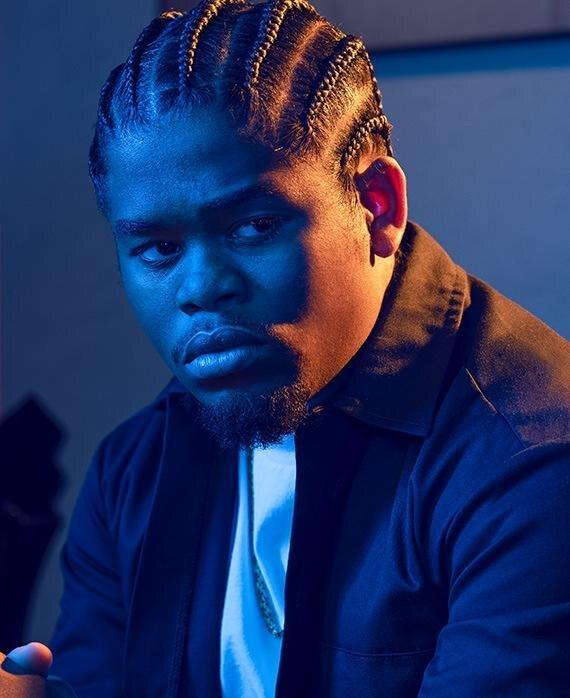
If I’m being honest, Leon is the character I identify with most. Not because I see myself as the toughest person in the room. Because I recognize something I’ve experienced throughout my career.
Franklin leads. Leon holds.
Franklin builds. Leon protects.
Franklin sees the future. Leon keeps the present from falling apart.
Every healthy organization has people like this. Visionaries. Builders. Operators. Revenue generators. Then there are the people who quietly hold everything together — the ones who protect relationships, restore alignment, carry trust between teams, step into conflict when no one else wants to.
They’re rarely the loudest voices. They’re often the least celebrated. But they’re the glue.
Organizations rarely fall apart because they run out of vision.They fall apart because they run out of stewardship.
That’s Leon.
And if I’m honest, I’ve been Leon more times than I can count.
Early in the series, Leon protects Franklin with his fists. That’s obvious. What’s less obvious is what he’s actually protecting: stability, trust, the people who make Franklin’s vision possible.
Security isn’t only physical — it’s emotional and psychological. People perform differently when they know someone has their back.
Every great team has visionaries. Far fewer have protectors. The best organizations need both. Builders create things. Stewards protect what has been built.
One of my favorite scenes comes after Franklin is beaten in prison. Leon visits him and gives advice that, on the surface, sounds reckless. Most people hear violence. I hear psychology. Reputation. Identity. And most importantly — proof.
Leon understands something fundamental. The prison only knows one version of Franklin: the man who got beaten. That’s the evidence they have. Unless Franklin gives them different evidence, that perception becomes reality.
When Leon tells him to show them who he is, he’s telling Franklin to replace uncertainty with proof. To remind everyone that what happened yesterday does not define who he is tomorrow.
Identity without evidence is simply a claim. Reputation is built when identity is consistently demonstrated through action.
That lesson reaches far beyond prison walls. It’s one of the strongest parallels to enterprise sales I’ve ever encountered. Customers don’t buy because we tell them we’re the right partner — they buy because we remove uncertainty. Case studies. References. Proof of value. Demonstrations.
Every one of those things says exactly what Leon was telling Franklin: show them who you are. Don’t simply tell them. Show them.
After returning from Ghana, Leon is no longer the same man. He’s thoughtful. Centered. Grounded. He sees life differently. Then he walks back into chaos. Big Deon has taken control. Order has disappeared.
The old Leon would have welcomed the fight. The new Leon understands the cost of it. But he also recognizes something equally important: without legitimacy, there can be no leadership. Without leadership, there can be no alignment. Without alignment, there can be no progress.
Most people remember Leon fighting Big Deon. I remember what happened afterward — he immediately restored order. He challenged anyone else who questioned that order. Not because he wanted power. Because he understood that communities, organizations and teams cannot move forward while chaos remains in control.
Sometimes stewardship requires stepping back into environments you’ve already outgrown. Not because you belong there anymore — but because the people still there need someone willing to restore order before progress can begin.
This may be Leon’s greatest lesson. His loyalty to Franklin never disappears. Neither does his love for him.
But eventually Leon recognizes something heartbreaking: you cannot save someone who refuses to save themselves.
That isn’t disloyalty — that’s maturity. Sometimes stewardship means protecting. Sometimes it means guiding. Sometimes it means confronting. And sometimes it means letting go.
That may be the hardest expression of loyalty there is.
Extraction Complete
Franklin taught me to build.
Avi taught me to think.
Leon reminded me why either of those things matter.
People.
Every system eventually serves people. Every strategy affects people. Every business depends on people. Every vision requires someone willing to steward what has been built.
Builders deserve recognition. Visionaries deserve admiration. But never underestimate the people quietly holding everything together while everyone else receives the credit. Those people are often the reason the vision survives long enough to become reality.
Think bigger. Build systems. See beyond the immediate. Vision without structure rarely becomes reality.
Think more clearly. Observe before acting. Qualify before committing. Assign the right meaning to what you see.
Remember why any of it matters. People. Loyalty. The quiet strength that holds everything together.
But somewhere along the way, something unexpected happened. I stopped writing about them — and started learning about myself.
Chasing vision. Building systems. Believing that if I could just accomplish enough, I’d eventually arrive at whatever “success” was supposed to feel like.
The observer. The one who studies before speaking. Who qualifies before committing. Who believes that curiosity creates better decisions than assumptions ever will.
More often than people probably realize. The one trying to hold things together. Protect relationships. Create alignment. Support the vision while quietly carrying part of its weight.
None of these men are perfect. Franklin’s vision consumed him. Avi’s perspective couldn’t protect him from every blind spot. Leon’s loyalty was tested beyond what anyone should have to endure.
That’s what makes them worth studying — not because they were extraordinary, but because they were human. Their strengths became their weaknesses. Their greatest gifts eventually became their greatest tests. And if we’re honest, so do ours.
When I started writing this, I thought I was writing about Snowfall and a few parallels. I wasn’t. I was writing about learning.
I’ve come to believe that one of the most valuable skills any of us can develop isn’t intelligence, strategy, communication, or even leadership. It’s the ability to extract.
To watch a television series and discover principles that improve your career. To lose a deal and gain wisdom. To finish a project and understand not just what happened, but why it happened. To find value where others see entertainment. To find lessons where others see escape. To find frameworks where others see nothing at all.
That’s what Extraction means to me. It’s become less about collecting experiences and more about converting experiences into something useful. Because experiences don’t automatically change us. Reflection does. Extraction does.
This is the first entry in what I hope becomes many. Not because I think I’ve figured life out. Quite the opposite. I’m writing because I want to keep learning in public.
Sometimes the next Extraction will come from a television show. Sometimes it’ll come from a customer conversation, a project that didn’t go according to plan, a leadership lesson, a baseball game, a book, a mentor, a mistake, or an ordinary moment that quietly reveals an extraordinary truth.
The source doesn’t matter. The habit does. I’ve become convinced that the people who continue growing aren’t necessarily the ones with the most experience — they’re the ones who’ve learned how to extract the most value from the experiences they have.
That’s a skill. And like any skill, it can be developed.
The first time I watched Snowfall, I watched.
The second time, I extracted.
That realization has changed the way I approach far more than television. It’s changed the way I approach meetings, customers, projects, books, history, relationships and even failure.
My hope isn’t that you watch Snowfall. My hope is that you begin looking at the world a little differently. That you become more curious. More reflective. More intentional about asking: what can I take from this that makes me better tomorrow than I am today?
Everyone watches.
Everyone experiences.
Everyone learns.
But few people extract.